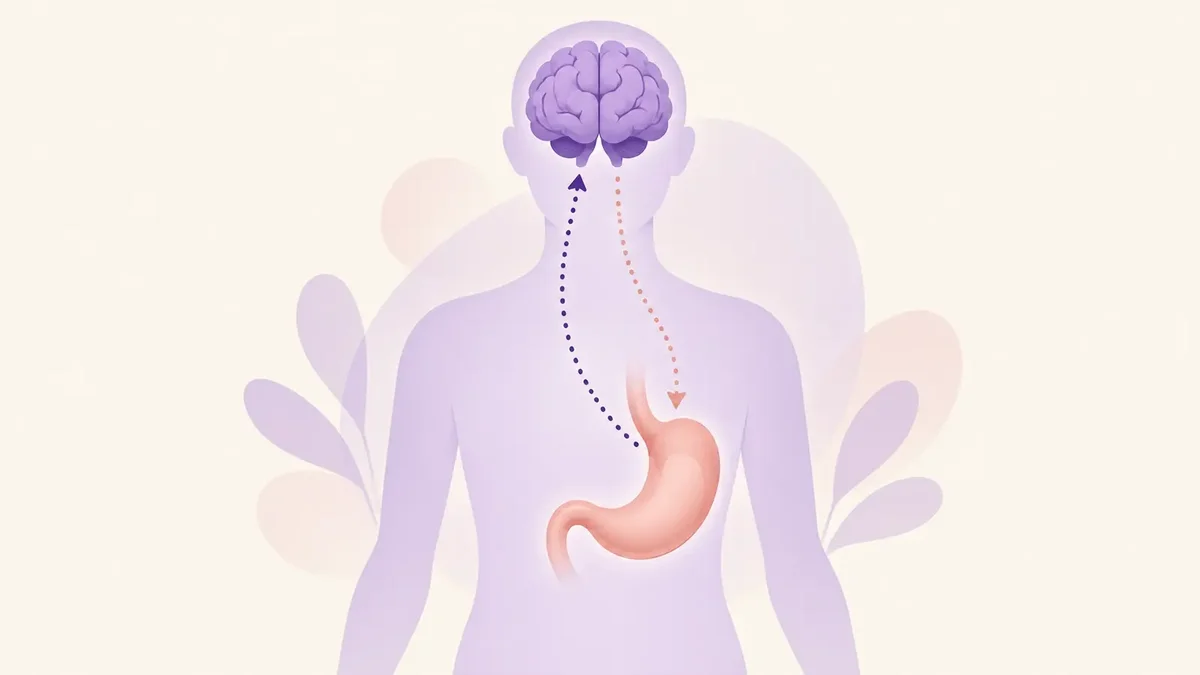
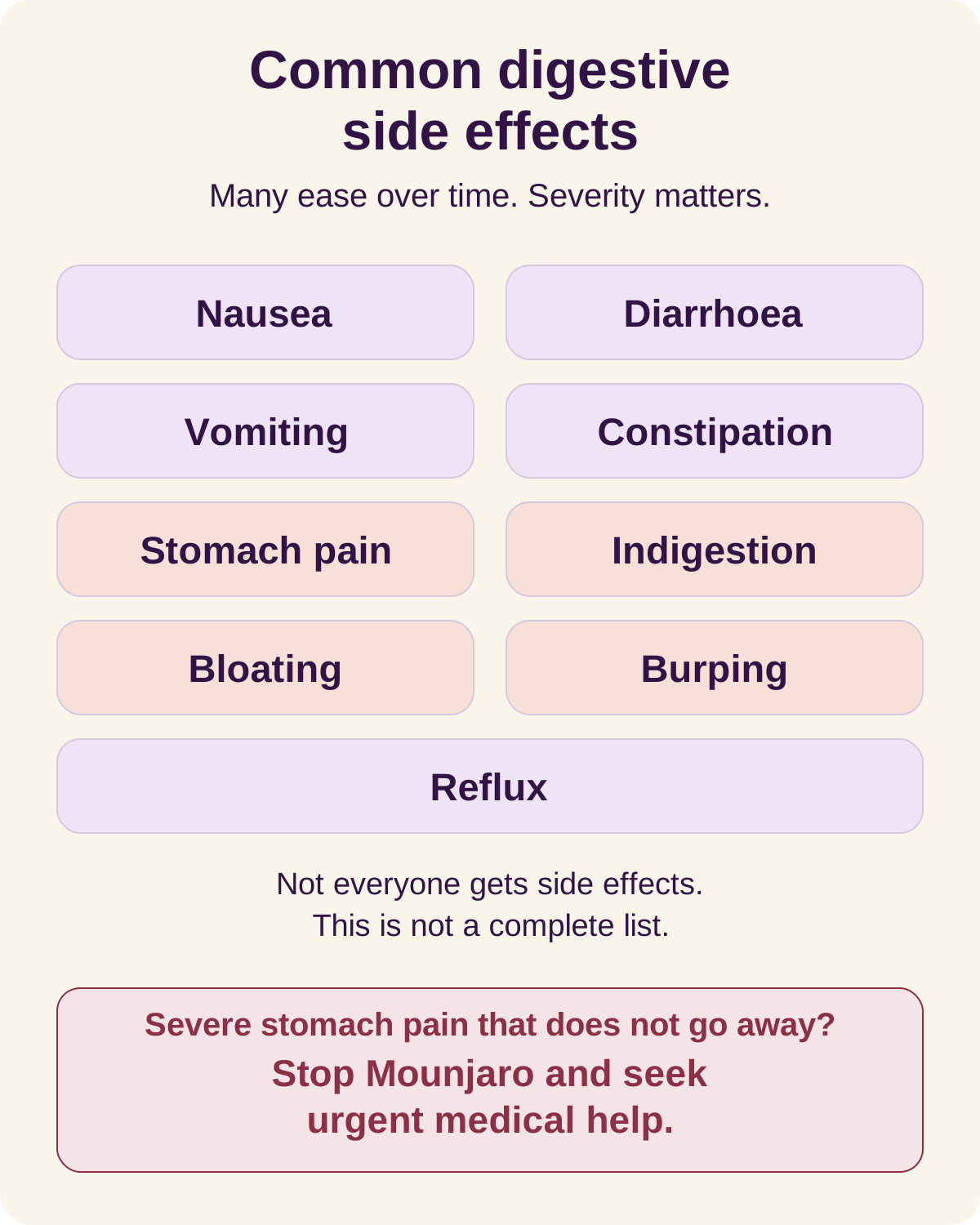
Mounjaro can cause side-effects, as any medicine can. The most common involve the digestive system: nausea, diarrhoea, vomiting, constipation and stomach pain.
For most people these are mild or moderate, and they tend to ease over time. They are also more noticeable when you start treatment or move up a dose, which is why the dose is built up gradually rather than started high.
The useful thing is knowing which symptoms are expected and which are a reason to pick up the phone.
What are the most common side-effects?
Nausea, diarrhoea, vomiting, constipation and abdominal pain are all listed as very common in people using Mounjaro for weight management, meaning they affect more than one in ten people.
Indigestion, bloating, burping, wind and acid reflux are also frequently reported, along with tiredness, dizziness and reactions at the injection site.
Two other side-effects worth knowing, because people are often surprised by them are:
Hair loss. Reported in around 5 in 100 people in the weight management studies, compared with 1 in 100 on placebo. It was usually mild, and most people recovered while continuing treatment.
Gallstones and gallbladder problems. These are linked to losing weight very quickly in general, which disturbs the cholesterol-bile salts balance making stones formation easier. A steady weight loss supported by regular meals and exercise and healthy fats in your diet can be a safe measurement.
Why does Mounjaro cause stomach problems?
Alongside its effect on appetite, tirzepatide slows down how quickly your stomach empties. That is part of how it helps you feel full for longer, and it is also why nausea, bloating and early fullness are so common.
The effect is strongest when your body is adjusting to a new dose, which is why symptoms often flare for a week or two after a dose increase and then settle again.
How long do side-effects last?
There is no single timeframe. Nausea, vomiting and diarrhoea generally become less frequent the longer you are on a steady dose, but people's experience varies a lot.
What you should not do is to assume that you have to push through while on treatment. NICE guidelines advise that if you get side-effects while your dose is being titrated, the dose should only be increased where it is tolerable, and that if side-effects do not settle, the weekly dose can be reduced back by 2.5mg.
WORTH KNOWING
A higher dose is not automatically a better one. If you are struggling, staying where you are for longer, or stepping back down, is a legitimate option to discuss with your prescriber rather than a failure.
What helps with nausea?
Smaller, plainer meals are usually easier than large or rich ones. Eating slowly, stopping when you are comfortably full, and sipping fluids through the day all tend to help.
You do not need to finish a meal you no longer want. If nausea is persistent, severe, or getting in the way of eating and drinking, speak to your prescriber.
Diarrhoea, vomiting and staying hydrated
This is the side-effect most likely to cause real trouble, and it is also the most preventable.
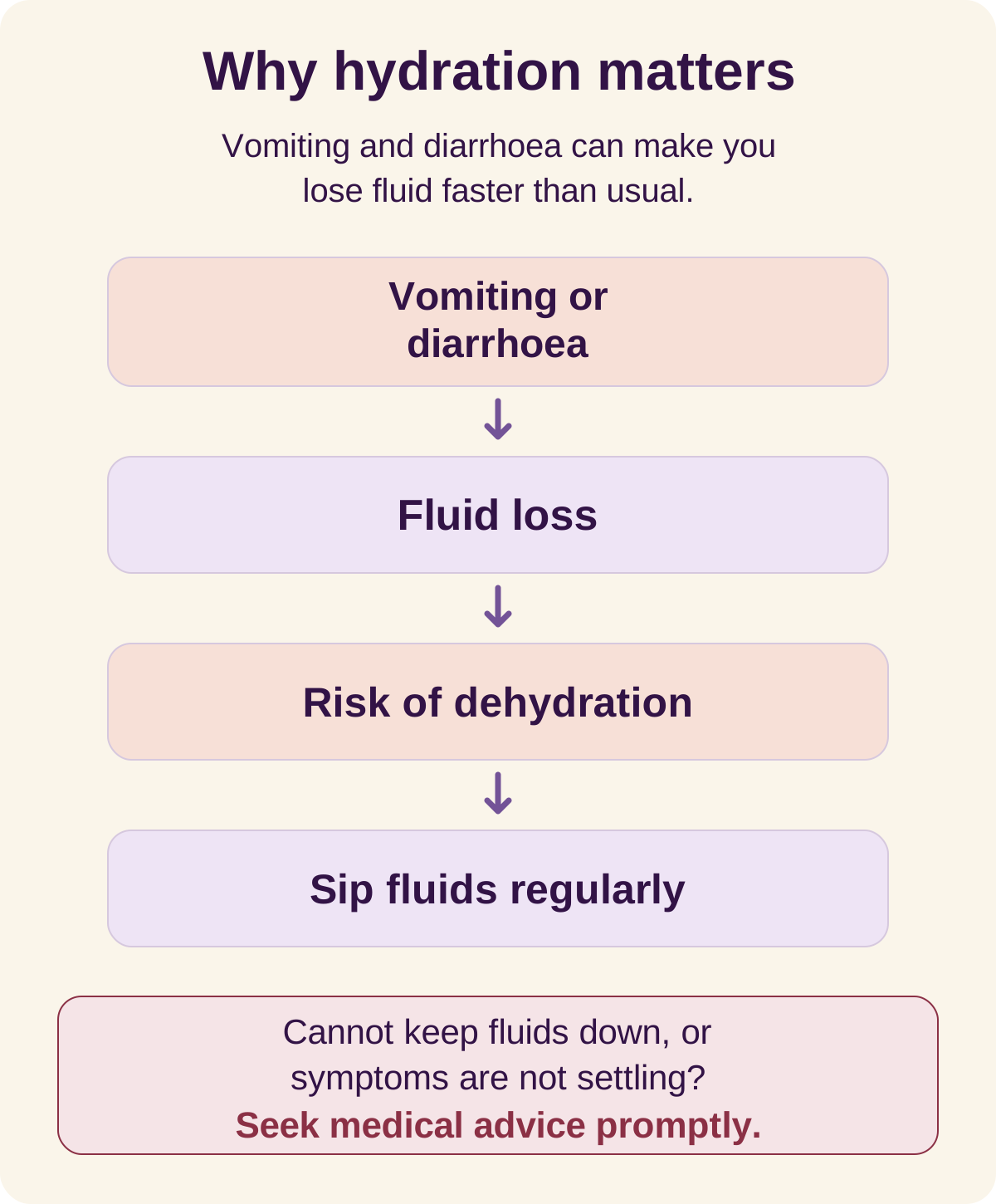
Vomiting and diarrhoea make you lose fluid quickly. Dehydration can affect kidney function and, in severe cases, leads to hospital admission. NICE guidelines advise anyone on tirzepatide to stay well hydrated, particularly after being sick or having diarrhoea.
When should you contact your prescriber?
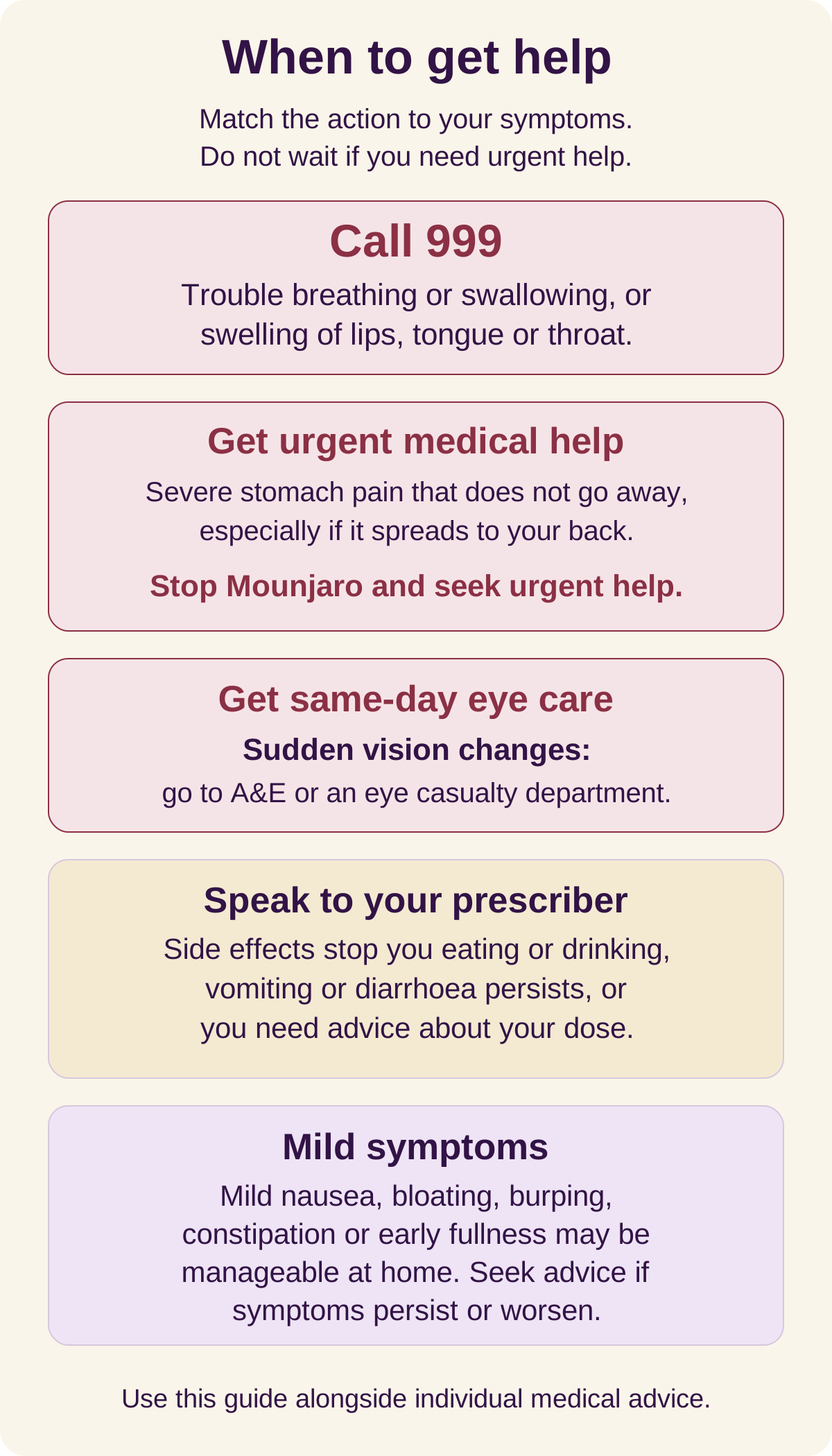
Get in touch if side-effects are stopping you eating or drinking, if vomiting or diarrhoea persist, if you are worried about dehydration, if symptoms are not becoming more manageable, or if you are unsure whether your dose should go up.
Do not increase or decrease your own dose without speaking to your prescriber first.
Which side-effects need urgent attention?
A small number of side-effects are less common but serious enough that you should report it immediately.
Severe, persistent stomach pain
This can be a sign of acute pancreatitis. The pain is typically severe and sharp, affecting the upper part of your abdomen and may spread to your sides and back. It can be accompanied by nausea, vomiting or fever of 38°C or above.
The MHRA strengthened warnings across this group of medicines in January 2026 following rare reports of severe acute pancreatitis, including necrotising and fatal cases. If you develop this kind of pain, stop taking Mounjaro and seek urgent medical help. If pancreatitis is confirmed, treatment should not be restarted.
Signs of a severe allergic reaction
Rarely, tirzepatide can cause anaphylaxis or angioedema. Call 999 or go to the A&E if you develop difficulty breathing or swallowing, swelling of the lips, tongue or throat, a rapid heartbeat, or allergic symptoms that are worsening quickly.
Sudden changes to your vision
Mounjaro is used with caution in people with diabetic retinopathy, which mainly affects those being treated for type 2 diabetes. Any sudden change in your eyesight while on treatment should be assessed the same day at A&E or an eye casualty department.
Mounjaro and the contraceptive pill
Tirzepatide can reduce the effectiveness of oral contraceptive pills, including both the combined pill and the progestogen-only pill. The advice in the product information leaflet is to switch to a non-oral method of contraception, or add a barrier method such as condoms, for four weeks after you start Mounjaro and for four weeks after each dose increase.
Tirzepatide should NOT be used during pregnancy, and it is not recommended for anyone of childbearing potential not using contraception. Because Mounjaro stays in the body for some time, it should be stopped at least a month before trying to conceive.
BEFORE AN OPERATION OR SEDATION
Tell your surgeon, anaesthetist or dentist that you are taking Mounjaro before any procedure involving a general anaesthetic or deep sedation. Because the medicine slows stomach emptying, food may still be present even after a normal fasting period, which raises the risk of it entering the lungs during the procedure. This is a real and preventable risk, and the team needs to know.
Can Mounjaro cause low blood sugar?
It depends on what else you take besides Mounjaro. If you use Mounjaro for type 2 diabetes alongside insulin or a sulfonylurea, the risk of low blood sugar (hypoglycaemia) is higher, and your prescriber may reduce the dose of those medicines.
If you are using Mounjaro for weight management and are not taking medicines for diabetes that lower blood sugar, hypoglycaemia is not one of the main expected side-effects.
Does everyone get side effects?
No. Some people have several, some barely notice anything, and severity varies widely.
Having side-effects does not mean the treatment is wrong for you. Symptoms that persist, or that affect your daily life, are worth discussing with your prescriber.
Common questions
What is the most common side effect?
Digestive symptoms, particularly nausea, diarrhoea, vomiting, constipation and stomach pain.
Are side effects worse when the dose goes up?
Often, yes. They tend to be most noticeable in the first week or two after an increase and then settle as treatment continues.
Can Mounjaro cause constipation?
Yes, it is very common in people using it for weight management. Increase fibre and fluids intake and increase physical activity all help.
Will my hair fall out?
Hair thinning was reported by around 5 in 100 people in the weight management studies. It was usually mild and most people recovered while still on treatment. Rapid weight loss contributes to this regardless of the medicine involved.
When should I worry about stomach pain?
Severe pain that does not go away, particularly in the upper abdomen or spreading to the back, needs urgent medical attention because of the risk of pancreatitis.
Should I stop taking it if I get side effects?
Speak to your prescriber first, unless you have a symptom needing urgent attention. They can adjust your dose or treatment rather than you stopping altogether.
Considering prescription weight loss treatment?
Our online consultation lets a UK-registered prescriber review your answers and assess whether weight management treatment is appropriate for you. If it is not suitable, we will explain why.
Any medicine prescribed is intended to be used as part of a wider weight management plan, alongside healthy eating and increased physical activity.
Related guides
- What Can You Eat While Taking Mounjaro?
- Mounjaro vs Wegovy: What's the Difference?
- Why Am I Still Hungry on Mounjaro?
- How Does Mounjaro Work?
- When Does Mounjaro Start Working?
This guide does not list every possible side effect. Read the patient information leaflet supplied with your medicine, and report anything you suspect through the MHRA Yellow Card scheme.
ABOUT THIS GUIDE
Written for people taking or considering Mounjaro. Side effect frequencies and warnings are taken from the approved product information and current MHRA safety advice.
This guide is general information and is not a substitute for advice from a prescriber who knows your medical history. Speak to your GP, pharmacist or our clinical team before starting, stopping or changing any treatment.