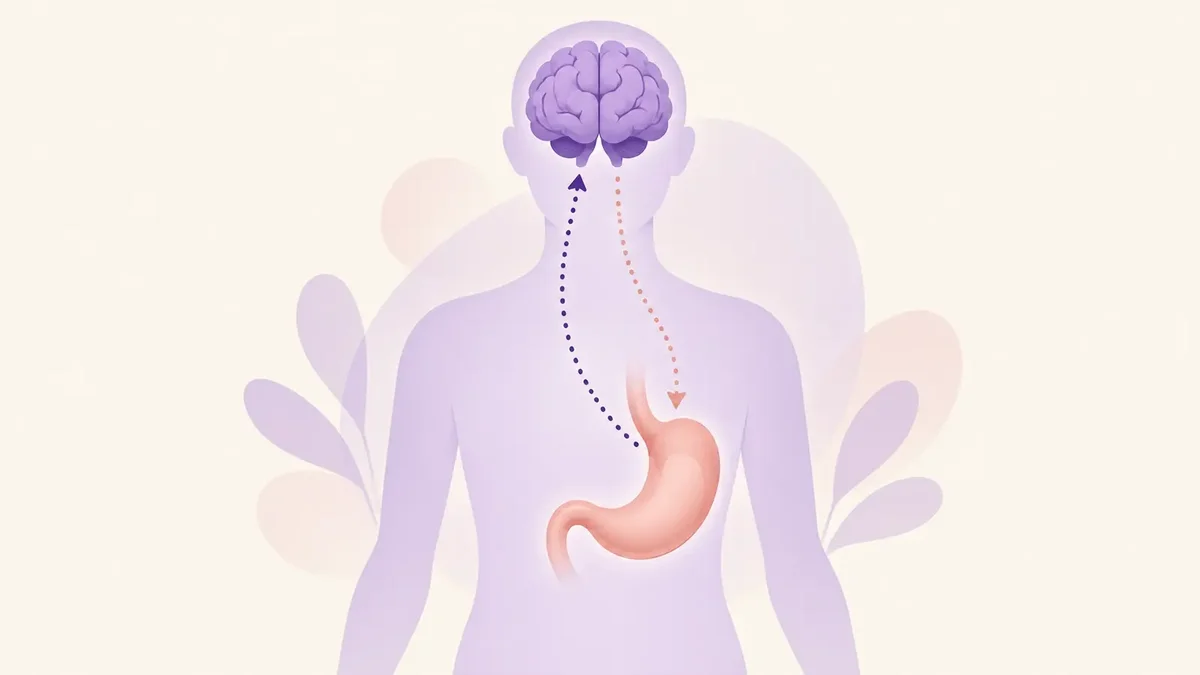
If you have been looking into prescription weight loss treatment, two names come up over and over: Mounjaro and Wegovy.
They have plenty in common. Both are once-weekly injections. Both are prescribed for weight management alongside a reduced-calorie diet and increased physical activity. Both work on the hormone signals that tell your brain you have had enough to eat. They are not, though, the same.
So what actually distinguishes them, and how do you know which one might suit you?
What are Mounjaro and Wegovy?
Both are prescription-only medicines used for weight management in eligible adults.
Mounjaro contains tirzepatide. For weight management it is licensed for adults with a BMI of 30kg/m² or above, or a BMI between 27 and 30kg/m² where there is at least one weight-related health problem, such as high blood pressure or type 2 diabetes. Tirzepatide is also licensed separately as a treatment for type 2 diabetes.
Wegovy contains semaglutide and is licensed for weight management on the same BMI criteria.
In both cases the medicine is only part of the picture. The licence is based on the assumption that there is less calorie intake and more calorie expenditure through increased physical activity.
How do Mounjaro and Wegovy work?
This is where the real difference shows.
GLP-1 and GIP are hormones your body releases in response to food intake. Among other jobs, they influence how full you feel and how quickly your stomach empties.
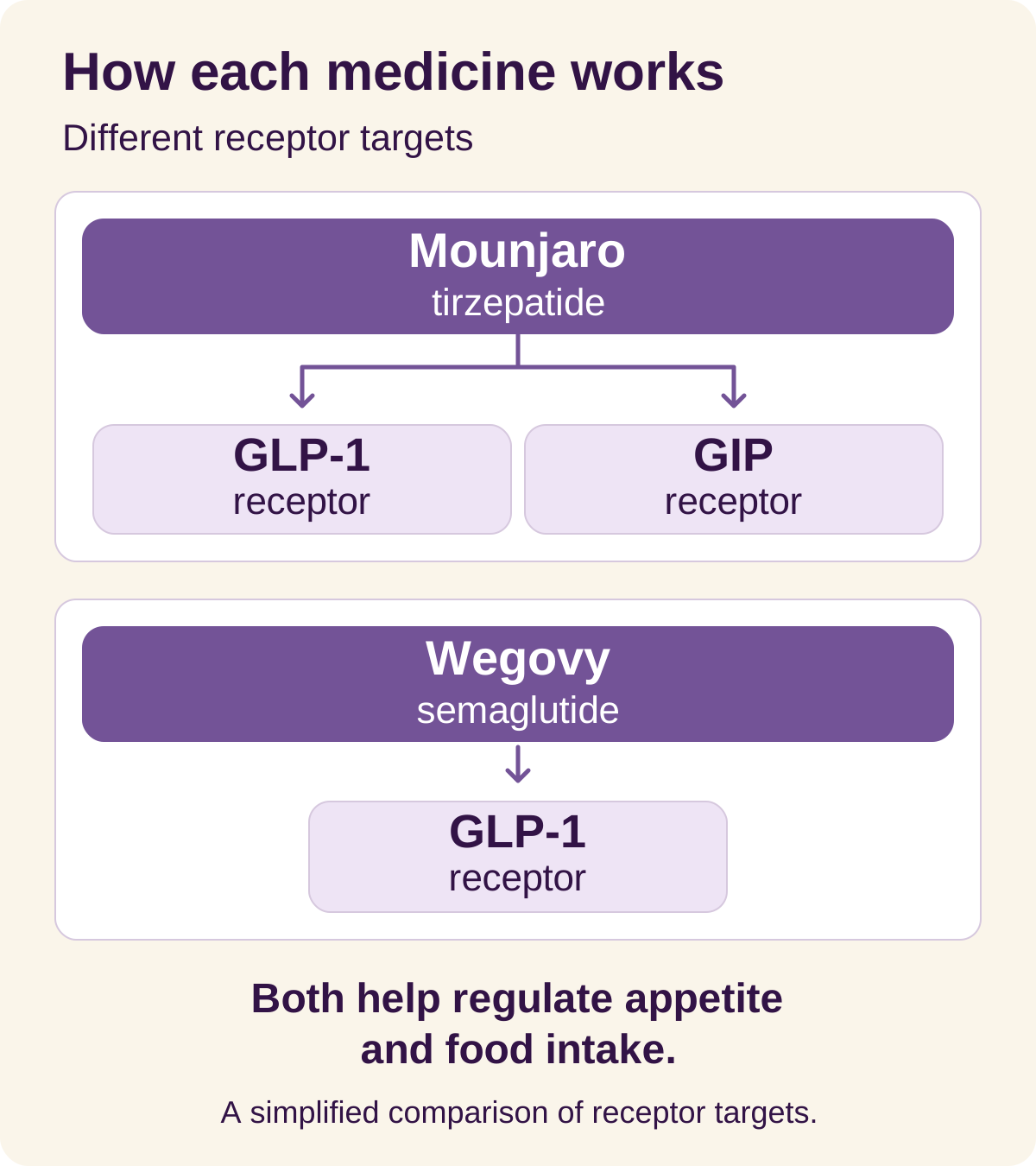
Mounjaro acts on both the GLP-1 and GIP receptors. Wegovy acts on the GLP-1 receptor alone. Both can reduce appetite and food intake, but they get there by slightly different routes.
Mounjaro vs Wegovy dosing
Neither medicine starts at its full dose. You begin low and build up gradually, which gives your body time to adjust and helps keep side-effects manageable.
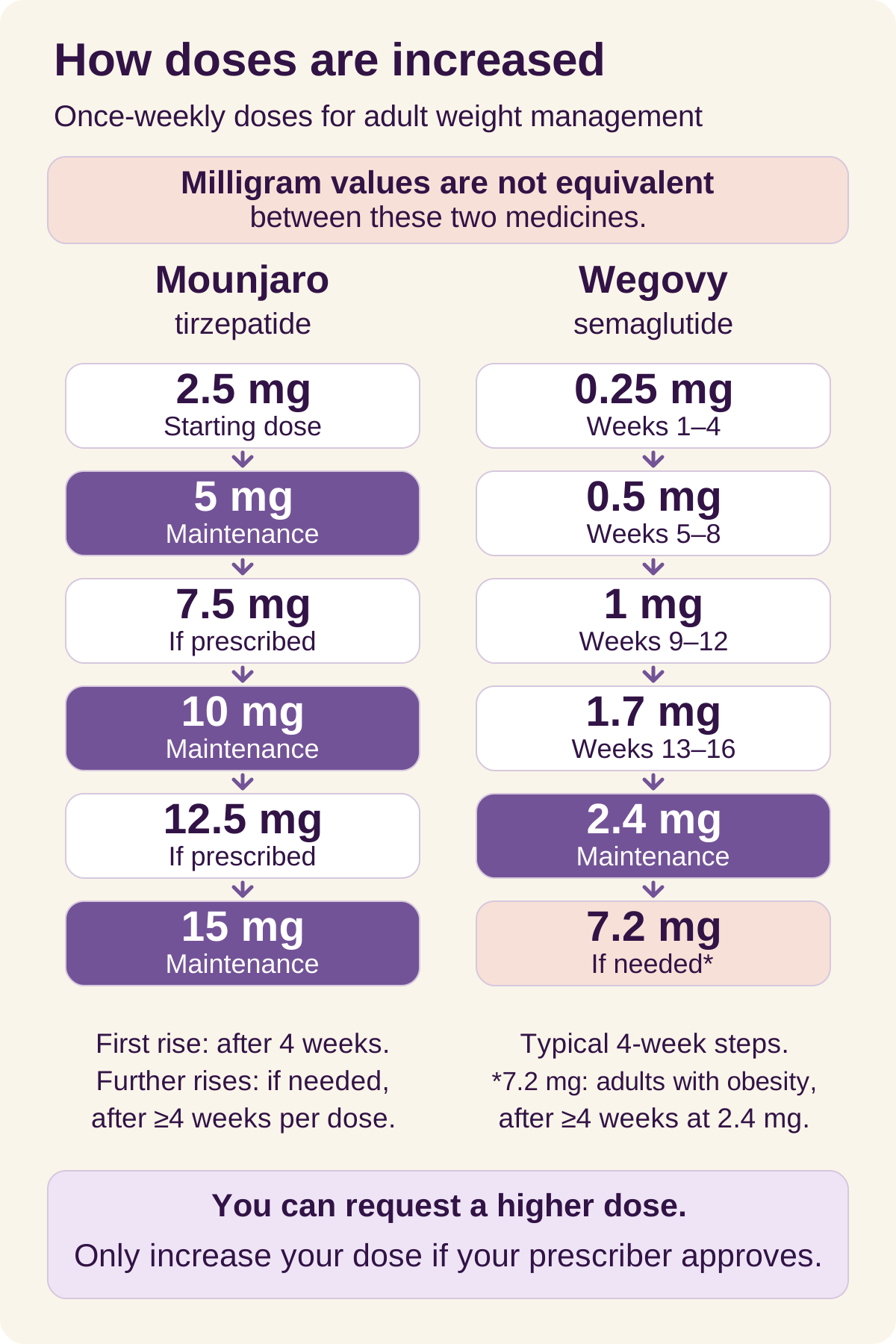
Mounjaro starts at 2.5mg once a week. After four weeks this usually rises to 5mg, and any further increases are made in 2.5mg steps after at least four weeks at the current dose. The maintenance doses for adults are 5mg, 10mg and 15mg (15mg being the maximum).
Wegovy starts at 0.25mg once a week and steps up roughly every four weeks through 0.5mg, 1mg and 1.7mg to reach 2.4mg. Since January 2026 a higher 7.2mg weekly dose has also been licensed in the UK for adults with obesity (a BMI of 30kg/m² or above), and from April 2026 it has been available as a single injection rather than three separate ones.
You should never increase your weekly dose without discussing it with your prescriber first.
Dosing at a glance
| Feature | Mounjaro | Wegovy |
|---|---|---|
| Active ingredient | Tirzepatide | Semaglutide |
| Starting dose | 2.5 mg once weekly | 0.25 mg once weekly |
| Dose increases | In 2.5 mg steps, after at least 4 weeks | Roughly every 4 weeks |
| Maintenance doses | 5 mg, 10 mg or 15 mg | 2.4 mg |
| Higher dose option | None above 15 mg | 7.2 mg for adults with obesity |
| Maximum weekly dose | 15 mg | 7.2 mg |
The milligram figures are not comparable between the two medicines. A bigger number does not mean a stronger medicine, because the active ingredients are different.
Which one causes more weight loss?
Both have been shown in clinical trials to produce meaningful weight loss when used alongside diet and active lifestyle.
Clinical trials have directly compared tirzepatide with semaglutide. Results from separate studies are harder to line up than it looks. Study populations, trial lengths and follow-up support all differ, so a percentage from one trial cannot simply be set against a percentage from another.
More to the point, a trial average tells you what happened across a large group. It cannot tell you what will happen for you. Two people on the same dose of the same medicine can respond quite differently.
WORTH KNOWING
Weight loss figures quoted online usually come from clinical trials where participants also had structured diet and activity support. Treatment on its own is unlikely to reproduce those results.
Do Mounjaro and Wegovy have the same side-effects?
There is a lot of overlapping data. Digestive side-effects are the most common in both treatments, particularly while the dose is being increased:
- nausea
- vomiting
- diarrhoea
- constipation
- stomach discomfort
These often settle as your body adjusts to the treatment, though not always.
Gallbladder problems, including gallstones, are also reported with both medicines. Losing weight quickly -as a factor on its own- raises that risk, so it isn't unique to these treatments.
Both product leaflets also carry warnings about rarer but more serious problems, including acute pancreatitis. This one is worth knowing about because its early symptoms can look like the usual side-effects experienced from the treatment mentioned above. This makes it easy to dismiss.
In January 2026 the MHRA strengthened the warnings across this whole group of medicines after rare reports of severe acute pancreatitis, including necrotising and fatal cases. If you develop severe stomach pain that will not go away, particularly if it spreads through to your back or is associated with nausea and vomiting, stop taking your medicine and seek medical advice urgently.
Both medicines carry cautions around diabetic retinopathy, an eye complication of diabetes, and are used with care and appropriate monitoring in anyone affected by it. This is mainly relevant if you are being treated for type 2 diabetes.
Semaglutide (Wegovy) carries one additional eye warning. In February 2026 the MHRA added information about a very rare condition called NAION, which can cause sudden loss of vision, usually in one eye. It is thought to affect up to 1 in 10,000 people taking semaglutide, and the MHRA is still reviewing whether NAION is associated with any other weight loss treatment.
Whichever treatment you are on, if your eyesight changes suddenly or worsens rapidly, go to the A&E or to an eye casualty department the same day and let them know what treatment you’re taking.
The list here is incomplete. Please read the patient information leaflet that comes with your medicine for further information, and report any suspected side-effects through the MHRA Yellow Card scheme.
Which is better, Mounjaro or Wegovy?
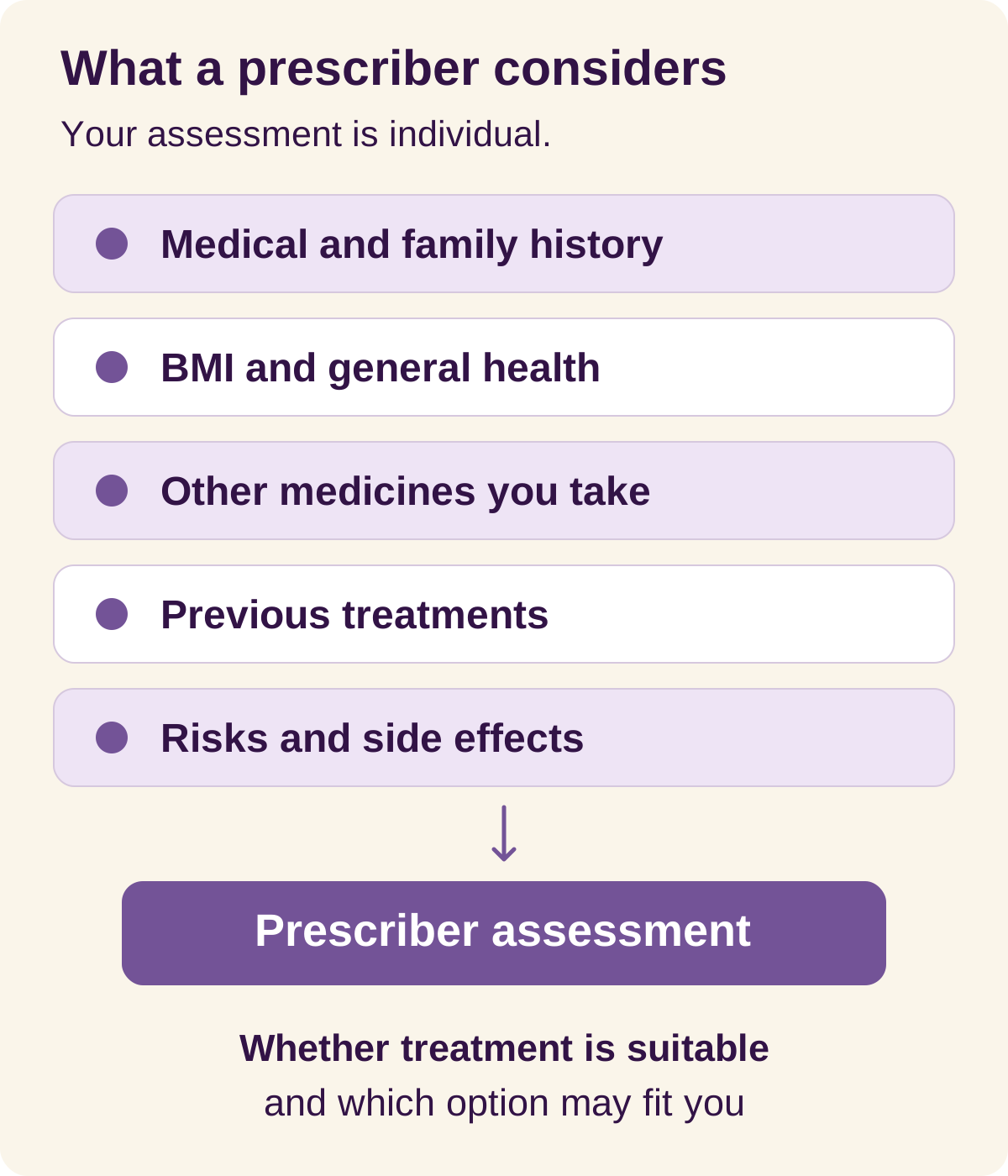
Neither medicine is better than the other in every case. Mounjaro acts on two receptors and Wegovy on one, but the medicine that suits you depends on your health, your family and medical history and what a prescriber sees to be appropriate after careful consideration. Neither treatment is available to purchase without that assessment first.
There is no single correct answer that applies to everyone. A prescriber has to weigh up a set of factors that are specific to you.
Two rules apply regardless of which medicine you will be using. Mounjaro and Wegovy should NOT be used together, and you should NOT switch between them without prior medical advice. NICE guidelines are also clear that weight management medicines work best as part of a broader plan that includes embedding healthier choices to your lifestyle by changing what you eat and how active you are.
The simple answer
Both medicines can support weight management, and they get there in slightly different ways. Mounjaro acts on the GIP and GLP-1 receptors, while Wegovy acts on the GLP-1 receptor. Both reduce appetite and increase satiety, and both are designed to work alongside positive changes you make yourself.
The better option is not the one with the higher milligram figure or the bigger headline. It is the one a prescriber assesses to be appropriate for you, and the one you can tolerate and adhere to.
Common questions
Is Mounjaro stronger than Wegovy?
Comparing them by milligrams does not tell you much, because they contain different active ingredients and act on different receptors. Strength - the way people usually mean - is better judged on how well a medicine works for you and how well you tolerate it.
Can I take Mounjaro and Wegovy together?
No. Wegovy's product information leaflet states that semaglutide should NOT be used alongside other GLP-1 receptor agonists, and there is no benefit to doubling up treatments.
Can I switch from Wegovy to Mounjaro?
Switching is possible, but it needs to go through your prescriber. The right starting dose and timing depend on where you are in your current treatment journey.
Do both medicines suppress appetite?
Both act on pathways involved in appetite regulation. Mounjaro does so through the GIP and GLP-1 receptors, Wegovy through the GLP-1 receptor.
Do I still need to diet and exercise?
Yes. Both treatments are licensed for use alongside a reduced-calorie diet and increased physical activity. Protein intake and some form of resistance exercise matter here too, since losing weight quickly can mean losing muscle along with fat.
What happens if I stop treatment?
Appetite usually returns once the medicine is out of your system, and weight regain is common without a plan in place. This is worth discussing with your prescriber before deciding to go ahead with the treatment.
Considering prescription weight loss treatment?
If you are considering Mounjaro, Wegovy or another prescription weight management treatment, our online consultation allows a prescriber to assess whether treatment is appropriate for you. If it is not suitable, we will explain why.
Any medicine prescribed is intended to be used as part of a wider weight management plan, alongside healthy eating and increased physical activity.
You might also find these useful
- How does Mounjaro work?
- What is GLP-1?
- Why am I still hungry on Mounjaro?
- When does Mounjaro start working?
ABOUT THIS GUIDE
This guide is general information and is not a substitute for advice from a prescriber who knows your medical history. Speak to your GP, pharmacist or our clinical team before starting, stopping or changing any treatment.