Starting Mounjaro tends to change your relationship with food. You may find you are less hungry, that you feel full sooner, or that portions you used to finish without thinking now feel like too much.
That is part of how Mounjaro works. Eating well still matters though, and arguably matters more once you are eating less overall.
Mounjaro is licensed for use alongside a reduced-calorie diet and increased physical activity. The goal is not a strict regime you white-knuckle your way through, but a way of eating you could still be doing and following in a year.
Is there a special diet to follow with Mounjaro?
No. There is no Mounjaro diet, whatever the internet suggests.
The medicine is licensed for use alongside a reduced-calorie diet and more physical activity, so the focus is on eating a reasonable range of foods while being mindful of portions and your overall intake. Unless you have been told otherwise for another medical reason, you do not need to avoid carbohydrates, fat or any other food group.
A pattern you can keep up beats a restrictive plan you abandon in six weeks. That is true of weight management generally, and it is especially true here, because the medicine works best as part of habits that outlast it.
What should go on your plate?
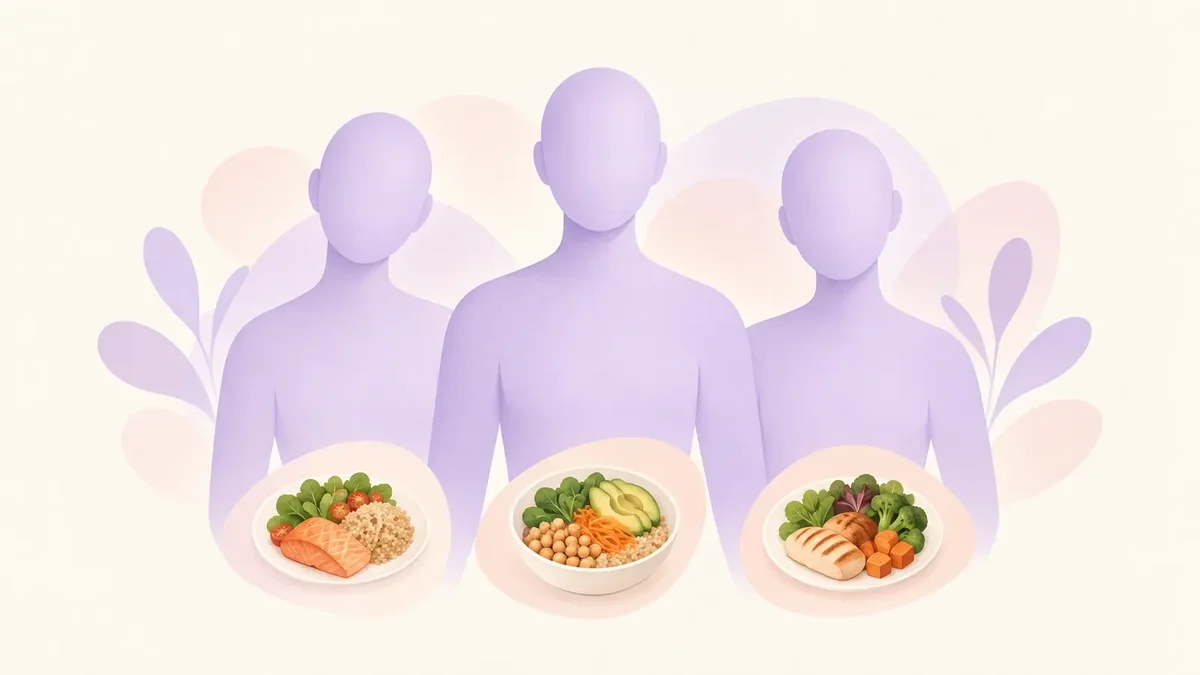
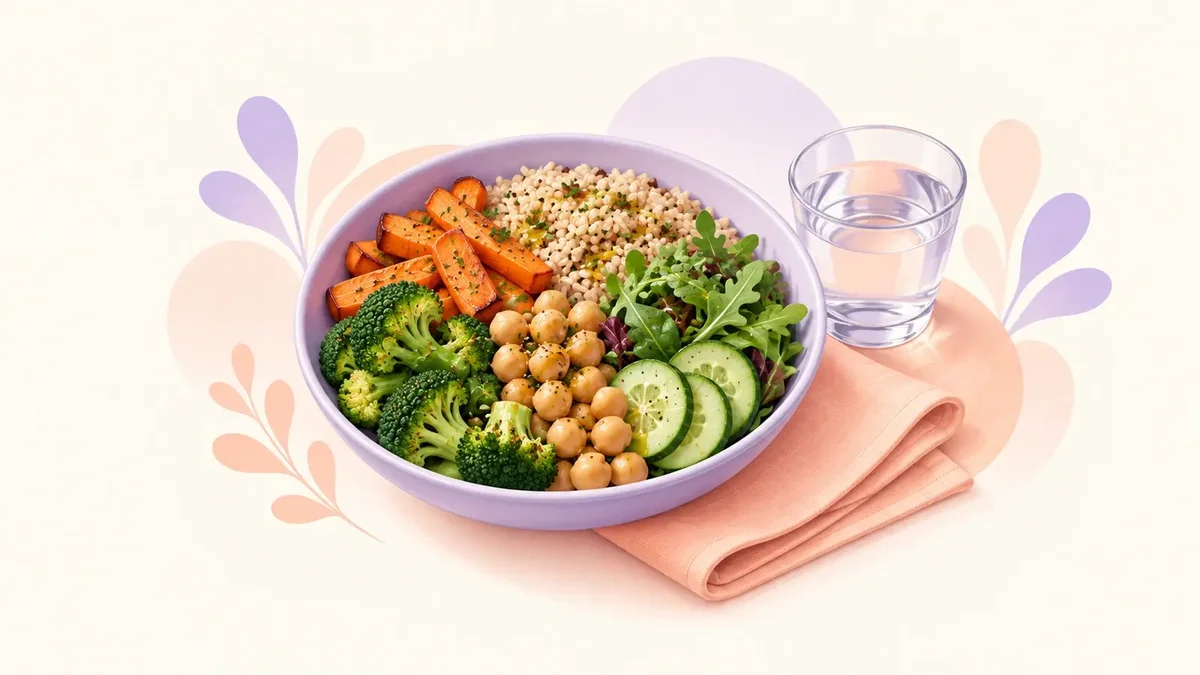
The NHS Eatwell Guide is a reasonable starting point, and nothing about Mounjaro changes its basic advice. A simple meal combines vegetables or fruit, a source of protein, a higher-fibre carbohydrate and a small amount of healthy fat.
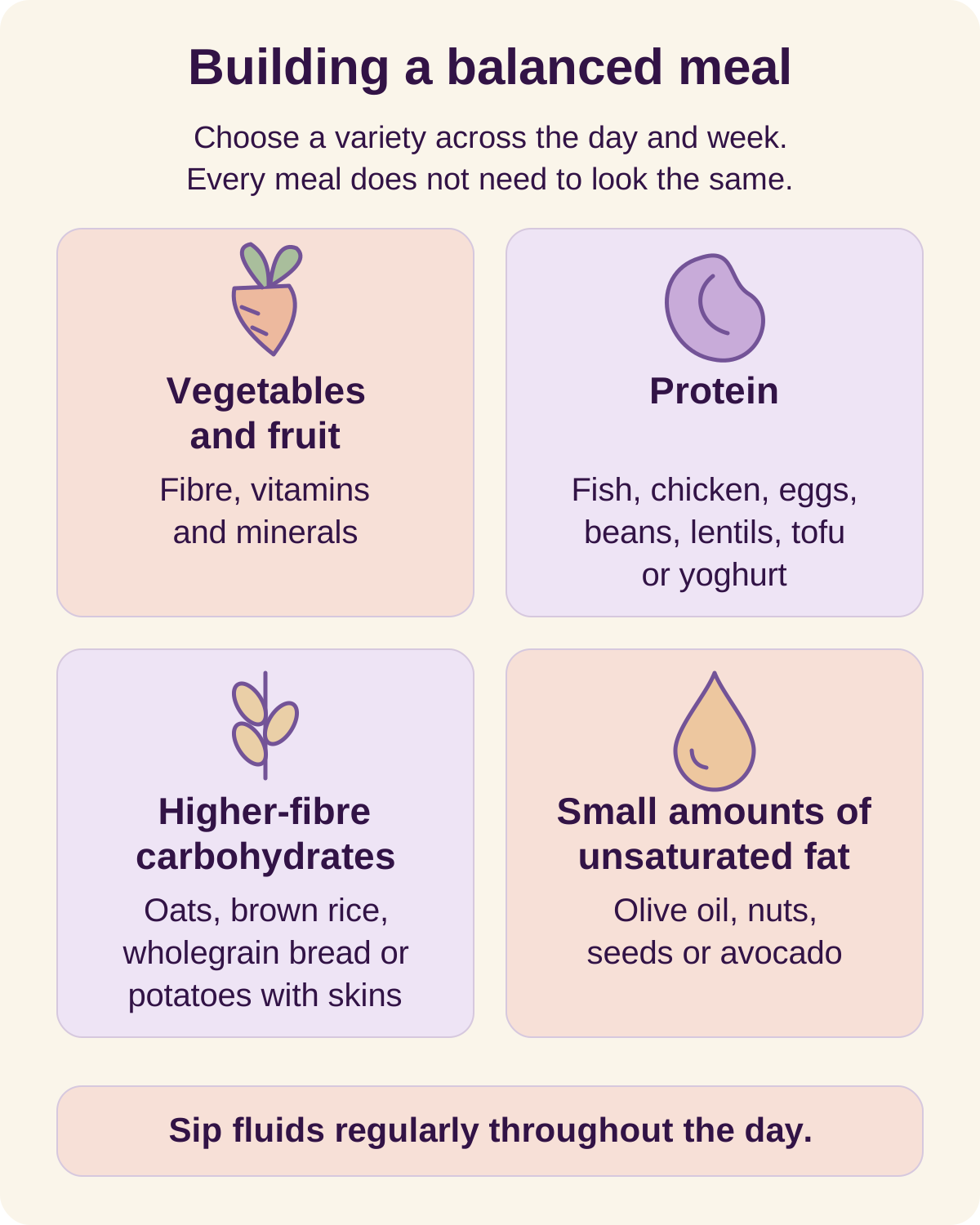
No single meal needs to be perfect. What your diet looks like across a week matters far more than any single plate.
What if you are not very hungry?
Reduced appetite is one of the expected effects of treatment, so this is common rather than a sign something has gone wrong.
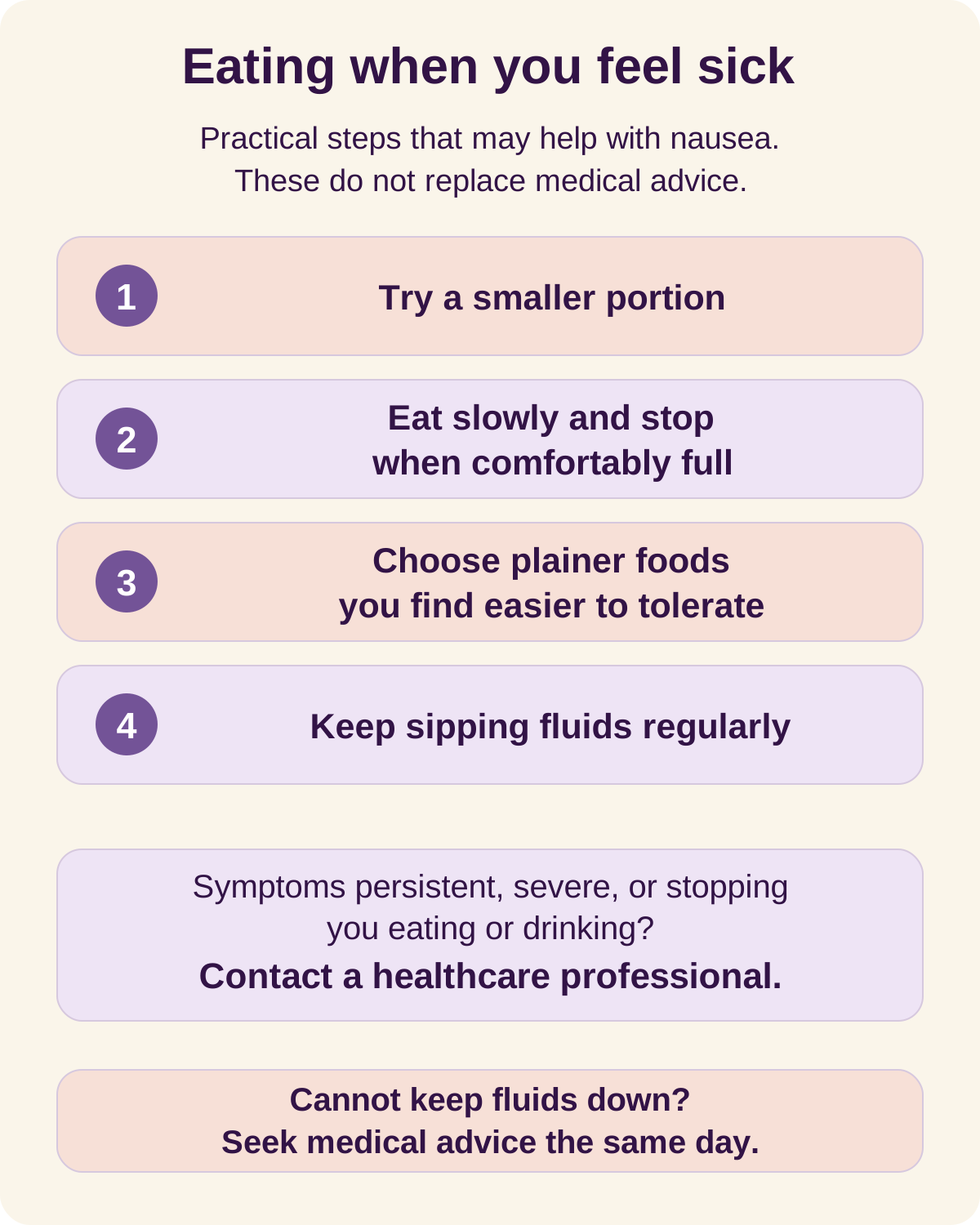
You do not need to finish a large meal when you are comfortably full. Things that tend to help:
- start with a smaller portion than you think you need
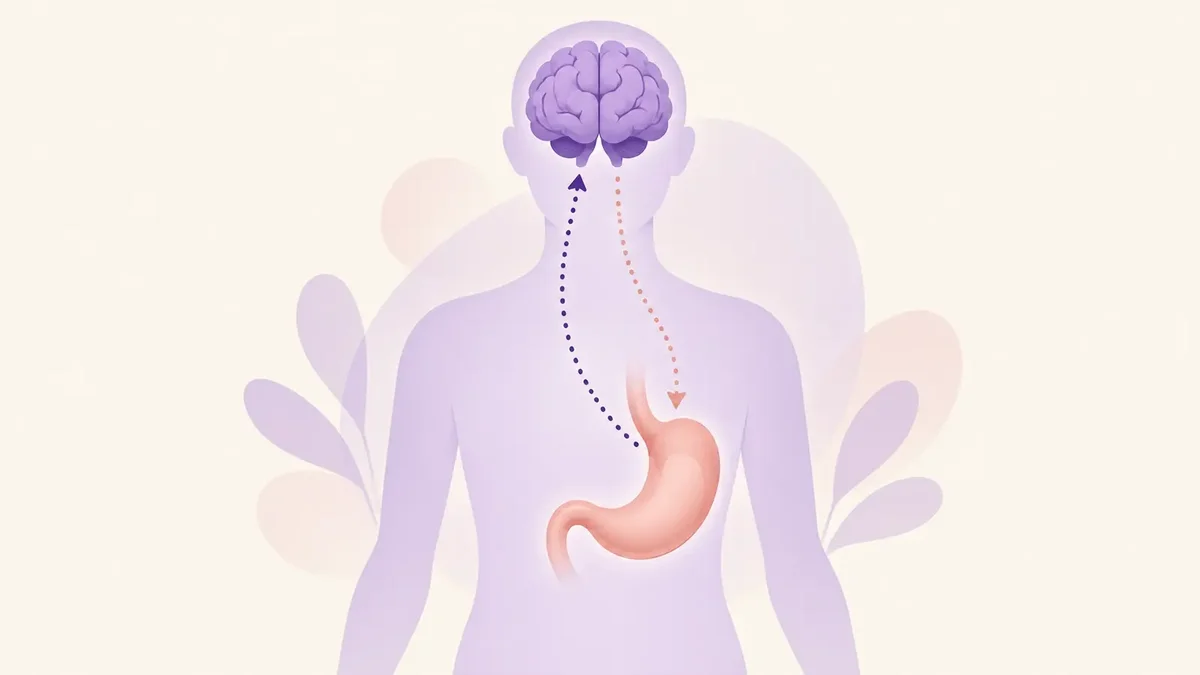
- eat slowly and give ‘fullness’ time to register. It takes about 20 minutes for your brain to collect enough signals from your stomach.
- stop when you are comfortably satisfied rather than stuffed
- make what you do eat count nutritionally (quality matters)
- try several small meals throughout the day if large ones feel uncomfortable
The aim is not to eat as little as possible. You still need enough food and fluid to support your health while you lose weight, and under-eating tends to backfire through fatigue, poor sleep and muscle loss.
If you consistently struggle to eat enough, or you are worried about your nutrition, speak to your prescriber or other healthcare professional.
IF EATING STARTS TO FEEL DIFFICULT
Weight management treatment can occasionally make an uneasy relationship with food harder rather than easier. If you notice yourself skipping meals deliberately, feeling anxious about eating, or using the medicine to eat as little as you can, please tell your prescriber or GP. It is a common thing to experience and there is support available for you.
Should you eat more protein?
Protein is worth paying attention to during weight loss, because some of the weight that people lose is muscle rather than fat. Getting enough protein, along with some form of resistance exercise, where you are able, helps limit losing that muscle mass.
The practical problem is that a reduced appetite leaves less room in the day. If you are eating smaller portions, including a protein source in each one, helps you get there without forcing extra food down.
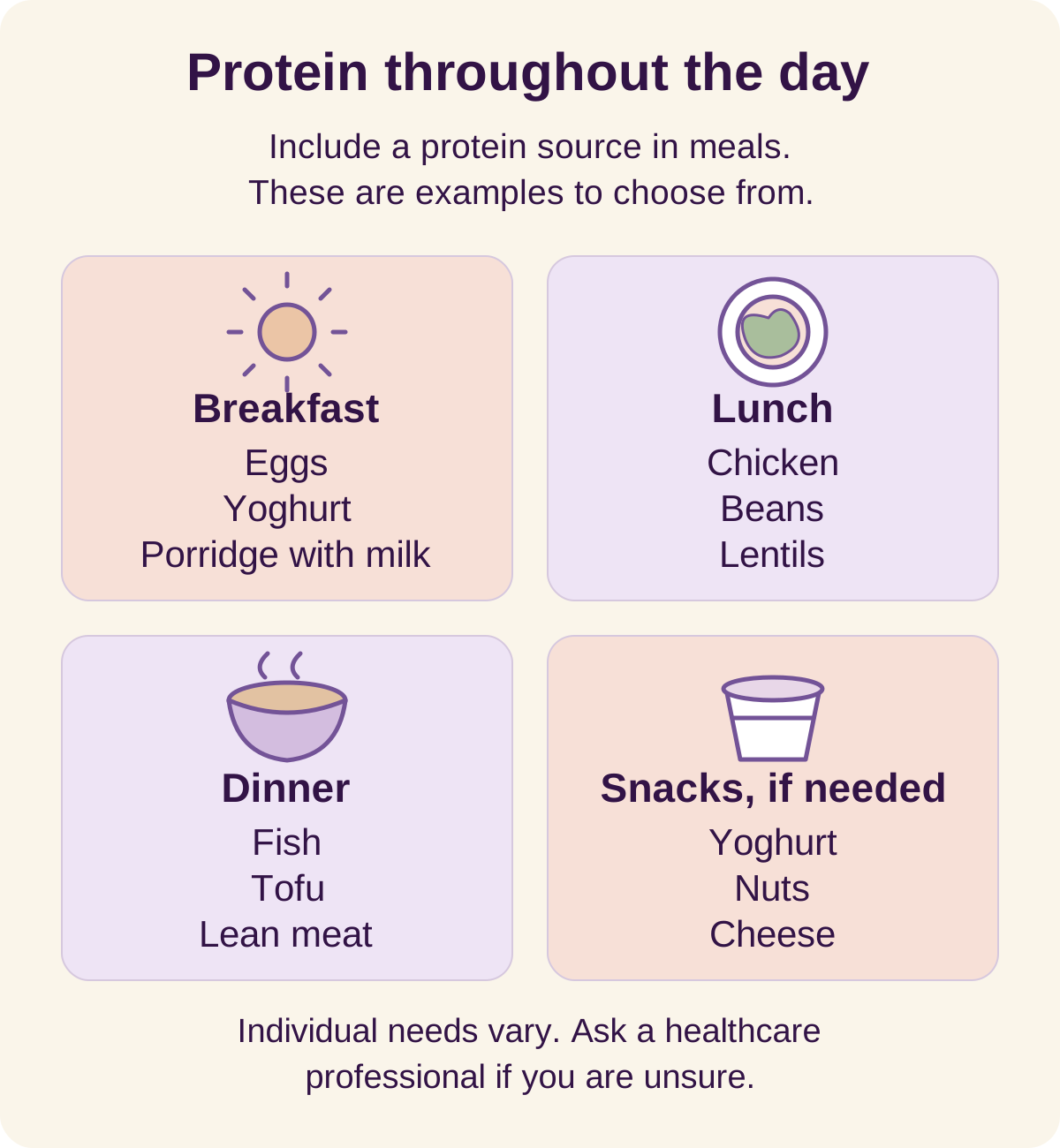
Good sources include fish, chicken and other lean meats, eggs, milk and yoghurt, beans and lentils, tofu, and nuts and seeds.
You do not necessarily need protein powders or a high-protein diet. How much you need depends on your age, weight, activity level and what the rest of your diet looks like. According to the British Heart Foundation, the protein portion that you take with every meal should fit into the palm of your hand.
If you are still unsure, or you are worried about losing muscle mass, a registered dietitian can give you personalized advice based on your circumstances rather than a general rule.
What about fibre?
Fibres are found in vegetables, fruit, beans and lentils (pulses), wholegrains like oats and barley, nuts and seeds, and resistant starch foods. Fibres support digestion and come packaged with a range of other nutrients, which is useful when you are eating less overall.
Constipation is a common side-effect of weight loss treatment, thus fibre and fluids together tend to help more than either alone. If you increase fibre in your diet, increase your fluid intake too, or you may find things get worse before they get better.
If you have diarrhoea instead, you may need to ease off higher insoluble fibre foods for a few days.
Persistent or severe symptoms are worth raising with your prescriber.
How much should you be drinking?
This is the part people most often overlook.
Vomiting and diarrhoea both cause fluid loss, and dehydration is not a trivial complication. In some cases it can affect kidney function, and NICE guidelines specifically advise people using tirzepatide to stay well hydrated, particularly after being sick or having diarrhoea.
Sip fluids regularly throughout the day rather than trying to catch up all at once. If you cannot keep fluids down at all, seek medical advice the same day.
What should you eat if Mounjaro makes you feel sick?
Nausea, vomiting and diarrhoea are among the most common side-effects, particularly in the first few weeks after starting or increasing your dose. They usually settle as your body adjusts.
While they last, smaller and plainer meals are generally easier to manage than large or rich ones.
Do you need to avoid certain foods?
There is no universal list. Most people find they simply tolerate some foods better than others, and that tends to change as treatment continues.
Large meal portions and food that is particularly rich, spicy or fatty, are the usual culprits when a meal feels uncomfortable. Your own experience is the best guide: if a particular food reliably makes you feel worse, it is reasonable to have less of it for now.
As for alcohol, there is no absolute rule, but it can add up quickly in calories and can make nausea and stomach upset worse. Many people find they want less of it anyway.
The main thing to remember
You do not need a complicated plan. Eat a range of nutritious foods, including protein and fibre, keep an eye on portion size, drink enough water, and stay as active as you reasonably can.
While Mounjaro can simplify the process of reducing your food intake, the food choices you make and the sustainable habits you build remain key factors to achieving lasting success.
Common questions
Can I eat normally while using Mounjaro?
Yes. There is no specific diet you have to follow. The medicine is licensed for use alongside a reduced-calorie diet and increased physical activity.
Can I eat carbohydrates?
Yes. High-fibre options such as wholegrains, oats and potatoes with skin on, are a good way to consume carbs.
What should I eat for breakfast?
Anything balanced. Yoghurt with fruit and oats, or eggs with wholegrain toast, both give you protein and fibre to start the day.
Why do I feel full so quickly?
Mounjaro affects appetite regulation and slows how quickly your stomach empties, so fullness is felt sooner. Smaller portions are usually more comfortable compared to one large meal.
Do I need protein shakes?
Not necessarily. Most people can get enough from food. Shakes are a convenience rather than a requirement, and they are not a substitute for meals.
What if I can barely eat anything?
Speak to your prescriber. Struggling to eat or drink is a reason to review your treatment, not something to push through.
Considering prescription weight loss treatment?
Our online consultation lets a UK-registered prescriber review your answers and assess whether weight management treatment is appropriate for you. If it is not suitable, we will explain why.
Any medicine prescribed is intended to be used as part of a wider weight management plan, alongside healthy eating and increased physical activity.
Related guides
ABOUT THIS GUIDE
General guidance on eating well during weight management treatment. It does not replace individual dietary advice from a healthcare professional or registered dietitian.
This guide is general information and is not a substitute for advice from a prescriber who knows your medical history. Speak to your GP, pharmacist or our clinical team before starting, stopping or changing any treatment.