
Wegovy can be an effective treatment for weight management, but like all medicines, it can be accompanied with side-effects. This article covers Wegovy injections for adult weight management.
The most frequently reported side-effects of Wegovy are related to the digestive system. Nausea, vomiting, diarrhoea, constipation and abdominal pain are very common, particularly during the period when your dose is being gradually increased.
For many people, gastrointestinal side-effects are mild to moderate and tolerated over time, although some, such as constipation, can last longer.
Here's what to expect and when you should seek medical advice:
What are the most common side effects of Wegovy?
The most frequently reported side-effects of Wegovy are gastrointestinal, meaning they affect the digestive system.
These include:
- nausea
- vomiting
- diarrhoea
- constipation
- stomach pain
- indigestion
- bloating
- burping
- reflux or heartburn
Headache and feeling weak or tired (fatigue) are also very common side-effects.
Wegovy product information states that gastrointestinal side-effects are reported most frequently during dose escalation. Most gastrointestinal events are mild to moderate and of short duration, although constipation can last longer.
Why does Wegovy cause nausea?
Wegovy contains semaglutide, which is a GLP-1 receptor agonist.
Semaglutide can affect the rate at which the stomach empties. Gastrointestinal side-effects, including nausea, are therefore common during treatment.
Nausea is particularly common during the dose-escalation period, when Wegovy dose is gradually increased.
If nausea is persistent, severe or making it difficult for you to eat or drink normally, speak to your prescriber or other healthcare professional.
When are Wegovy side effects most likely?
Gastrointestinal side-effects are reported most frequently during dose escalation.
Wegovy is injected once a week. The standard adult dose-escalation schedule usually increases the dose every four weeks over 16 weeks, reaching 2.4 mg once weekly from week 17. Follow the dosing plan agreed with your prescriber.
As your dose increases, gastrointestinal symptoms may become more noticeable.
The Wegovy prescribing information (Summary of Product Characteristics) states that most gastrointestinal adverse events are mild to moderate and of short duration.
If you develop significant gastrointestinal symptoms when your dose is due to increase, speak to your prescriber rather than changing your dose yourself.
The prescribing information states that, where significant gastrointestinal symptoms occur, consideration should be given to delaying dose escalation or reducing the dose to the previous dose until symptoms improve.
What can you do if Wegovy makes you feel sick?
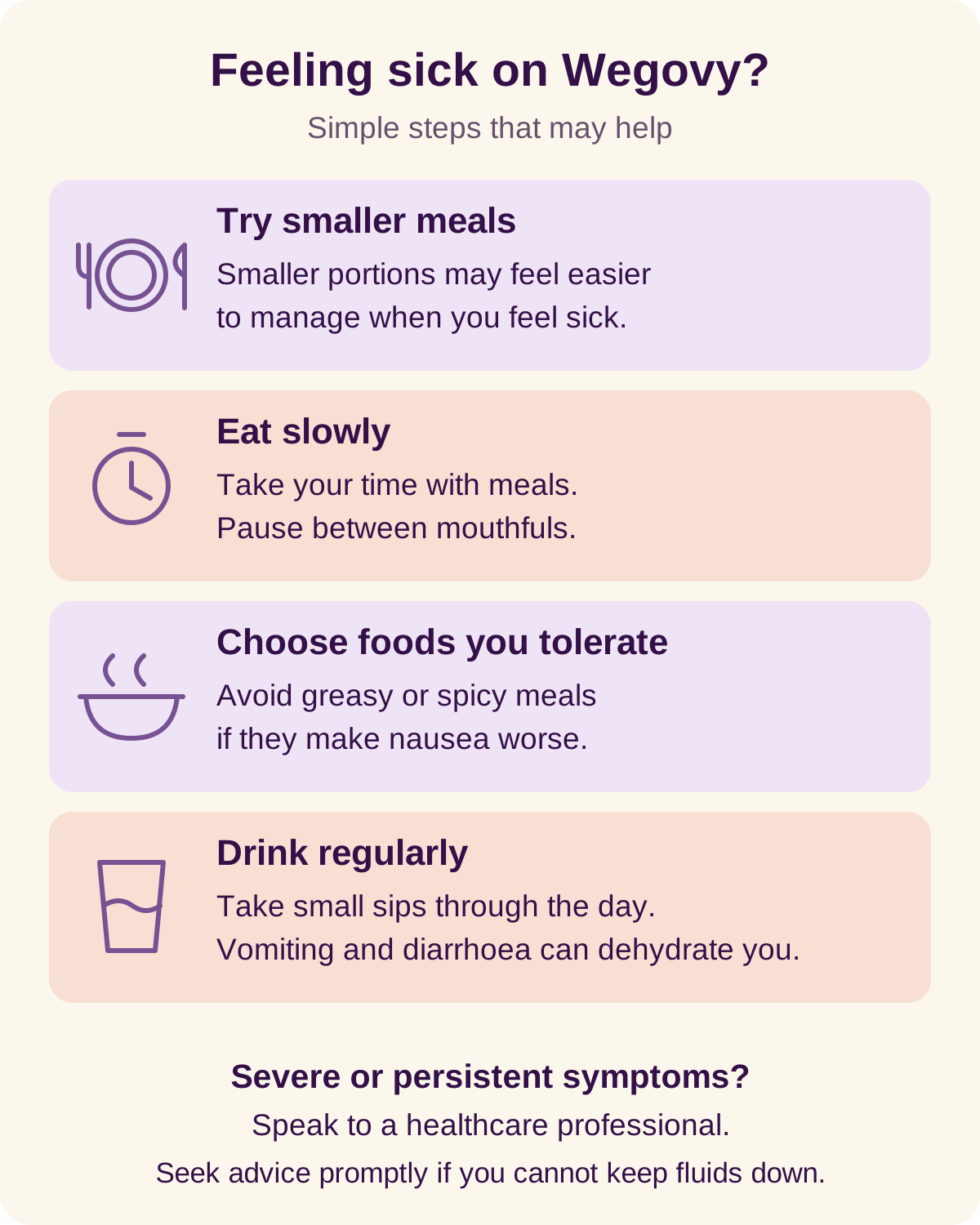
If you feel nauseous while taking Wegovy, you may find it easier to:
- eat smaller meals
- eat slowly
- avoid greasy and spicy meals
- choose foods that you tolerate better
- drink fluids regularly
If your appetite is reduced, you may not feel like eating as much as usual. However, maintaining adequate regular meals and fluid intake is important.
If nausea is persistent, severe or stops you from eating and drinking normally, speak to your prescriber or other healthcare professional.
What if Wegovy causes vomiting or diarrhoea?
Vomiting and diarrhoea can make you lose fluids, which can lead to dehydration.
If you experience vomiting or diarrhoea, make sure you drink enough fluids. This is particularly important if symptoms are significant or continue for a prolonged period.
Dehydration can be particularly a serious issue for people with kidney problems because it can, in rare cases, lead to deterioration in kidney function.
If you are unable to keep fluids down or are concerned about dehydration, seek medical advice.
What if Wegovy makes me constipated?
Constipation is a very common side-effect of Wegovy.
It can sometimes last longer than other gastrointestinal side-effects.
Maintaining adequate fluid intake and a balanced diet may help support normal bowel function. Regular physical activity may also support general digestive health.
If constipation is severe or persistent, speak to a healthcare professional.
Severe constipation accompanied by symptoms such as stomach ache, bloating, vomiting or loss of appetite can be a sign of bowel obstruction and requires medical attention.
Can Wegovy cause heartburn or indigestion?
Yes.
Indigestion, burping, bloating and acid reflux or heartburn are listed as common side-effects of Wegovy.
If these symptoms are persistent or particularly troublesome, speak to your pharmacist, prescriber or your general practitioner.
Are there serious Wegovy side effects?
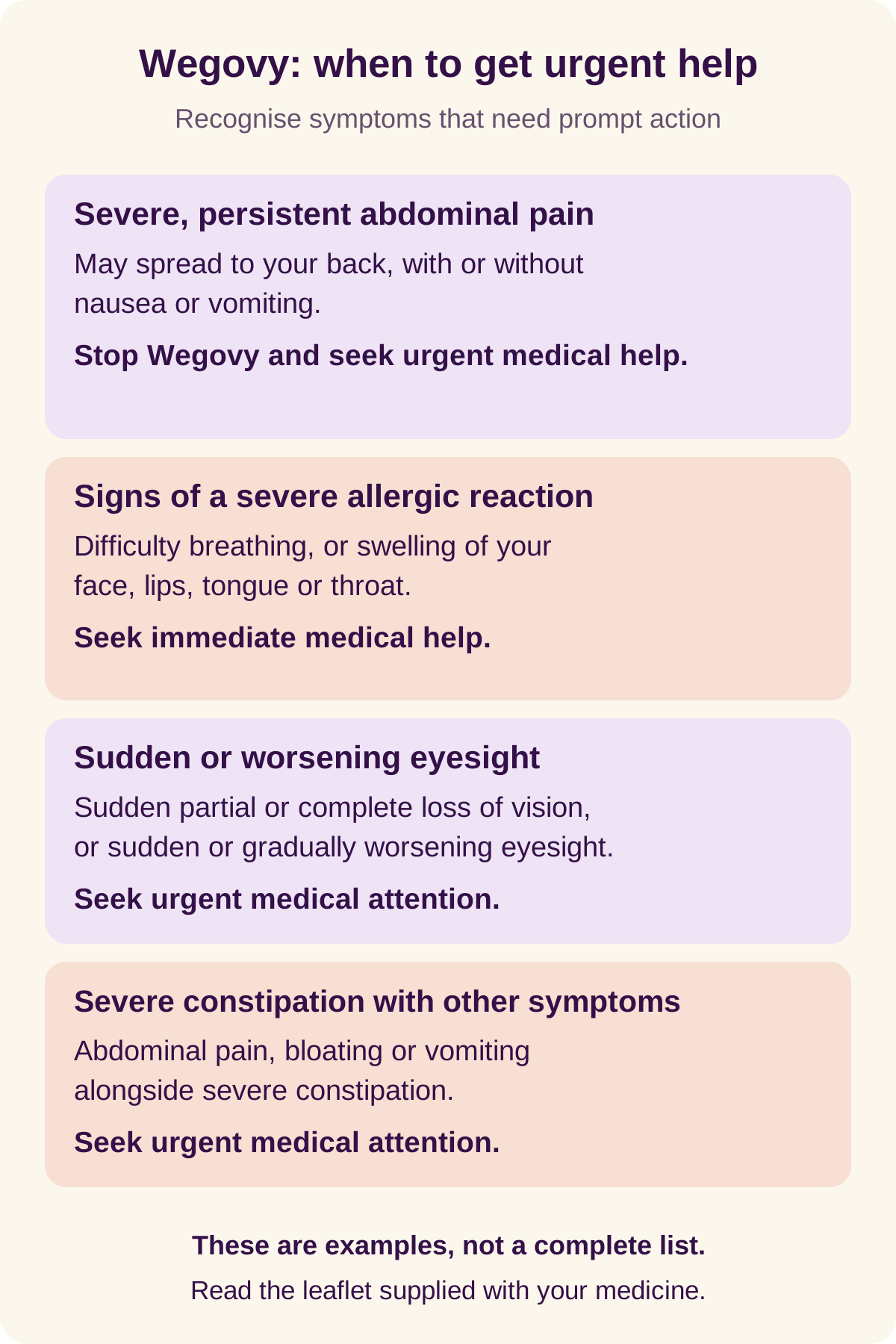
Most people using Wegovy will not experience a serious side-effect, but serious side-effects can occur. Some symptoms require urgent medical attention.
Severe and persistent stomach pain
Severe, persistent abdominal pain that may spread to the back, with or without nausea or vomiting, can be a sign of acute pancreatitis, a serious condition requiring immediate attention.
If you experience severe and persistent stomach pain, stop using Wegovy and seek urgent medical help.
Severe allergic reaction
Rarely, Wegovy can cause a severe allergic reaction.
Seek immediate medical help if you develop symptoms such as:
- difficulty breathing
- swelling of your face, lips, tongue or throat
- difficulty swallowing
- wheezing
- feeling very dizzy or weak with a pounding heartbeat
These can be signs of a severe allergic reaction that requires immediate attention.
Changes in vision (if you have type 2 diabetes)
If you have type 2 diabetes and experience changes in your vision while taking Wegovy, inform your doctor.
Diabetic retinopathy complications are common side-effects in people with diabetic retinopathy who are treated with insulin and semaglutide.
Rapid improvement in blood glucose control can also be associated with a temporary worsening of diabetic retinopathy.
Sudden or worsening eyesight
The Wegovy product information also contains a warning about a very rare eye condition called non-arteritic anterior ischaemic optic neuropathy (NAION).
Seek urgent medical attention if you experience sudden complete or partial loss of vision or sudden or gradually worsening eyesight.
If NAION is confirmed, semaglutide should be discontinued.
Kidney or bladder stones
Kidney or bladder stones are an uncommon side effect of Wegovy.
Seek medical advice if you develop symptoms such as pain in your back or lower abdomen, difficulty urinating or a change in the colour of your urine.
Does everyone get side effects from Wegovy?
No.
Like all medicines, Wegovy can cause side effects, but not everyone will experience them.
The frequency varies between individual side effects, and some people may experience several gastrointestinal symptoms while others experience few or none.
Side effects frequency can also change as your dose increases.
Do Wegovy side effects go away?
Many gastrointestinal side effects improve over time.
The Wegovy prescribing information (Summary of Product Characteristics) states that most gastrointestinal events are mild to moderate and of short duration, although constipation can last longer.
If your symptoms are not improving or are interfering with your everyday life, speak to your prescriber.
Discuss planned dose changes or stopping treatment with your prescriber. However, if you develop severe, persistent abdominal pain, which may spread to the back with or without nausea or vomiting, stop using Wegovy and seek urgent medical help. Do not wait for prior permission to stop in this situation.
What if side effects happen when my dose increases?
If you develop significant gastrointestinal symptoms during dose escalation, your prescriber may decide to delay increasing your dose or they might reduce your dose to the previous dose until your symptoms have improved.
Do not increase your dose earlier than prescribed in an attempt to lose weight more quickly.
Your treatment should follow the dosing schedule agreed with your prescriber.
When should I contact a healthcare professional?
Speak to a healthcare professional if:
- side effects are persistent or getting worse
- you develop persistent or troublesome heartburn or indigestion
- vomiting or diarrhoea is making it difficult to stay hydrated
- constipation is severe or persistent
- you're struggling to eat or drink normally
- you're unsure whether you should increase your dose
Seek urgent medical attention for symptoms such as:
- severe, persistent abdominal pain, which may spread to the back with or without nausea or vomiting
- severe allergic reaction
- sudden loss of vision or worsening eyesight
- severe constipation accompanied by stomach ache, bloating or vomiting
The main thing to remember
Digestive side effects are common with Wegovy, particularly during the period when your dose is being increased or treatment just started.
Nausea, vomiting, diarrhoea and constipation are very common side effects. For many people, gastrointestinal symptoms are mild to moderate and improve as treatment continues, although some symptoms, such as constipation, may last longer.
Maintaining adequate fluid intake is particularly important if you experience vomiting or diarrhoea.
If your symptoms are severe, persistent or concerning, speak to your prescriber, pharmacist, GP or another healthcare professional.
Frequently asked questions
What is the most common side effect of Wegovy?
Nausea, vomiting, diarrhoea and constipation is one of the most commonly reported side effects of Wegovy.
How long do Wegovy side effects last?
There is no single timeframe that applies to everyone. Many gastrointestinal side effects are mild to moderate and improve over time, although some, such as constipation, may last longer.
Are Wegovy side effects worse when increasing the dose?
Gastrointestinal side effects are reported most frequently during dose escalation. If you experience significant symptoms, speak to your prescriber before increasing your dose.
What can I do about nausea whilst on Wegovy?
Eating smaller meals, eating slowly and drinking fluids regularly may help you manage nausea. If nausea is persistent or severe, speak to a healthcare professional.
Can Wegovy cause constipation?
Yes. Constipation is a very common side effect of Wegovy. If constipation is severe or persistent, speak to a healthcare professional. If severe constipation occurs alongside stomach ache, bloating or vomiting, seek medical advice as it might indicate another condition that requires immediate attention.
Can Wegovy cause diarrhoea?
Yes. Diarrhoea is a very common side effect of Wegovy. Drink enough fluids to reduce the risk of dehydration and seek medical advice if symptoms are severe or persistent.
Should I stop using Wegovy if I have side effects?
Discuss planned changes to your treatment with your prescriber. If you develop severe, persistent abdominal pain, which may spread to the back with or without nausea or vomiting, stop using Wegovy and seek urgent medical help without waiting for prior permission. Seek immediate medical help for signs of a severe allergic reaction, such as difficulty breathing or swelling of the face, lips, tongue or throat.
Can Wegovy cause serious side effects?
Yes. Serious side effects can occur, although most people using Wegovy will not experience one. Severe persistent upper abdominal pain that may reach to the back, severe allergic reaction, sudden or worsening eyesight and certain other symptoms require urgent medical attention.
Considering Wegovy?
If you're considering prescription weight-management treatment, an online consultation can allow a prescriber to assess whether treatment is appropriate for you.
If prescribed, Wegovy should be used alongside a reduced-calorie diet and increased physical activity.
Wegovy is a prescription medicine and should be used according to the instructions provided by your prescriber and the product information.
Always read the Patient Information Leaflet supplied with your medicine.
Medical information: This article is intended for general information and does not replace advice from a qualified healthcare professional. If you are concerned about side effects or your treatment, speak to your prescriber, pharmacist or GP.